
How to cut your fleet's fuel costs with data
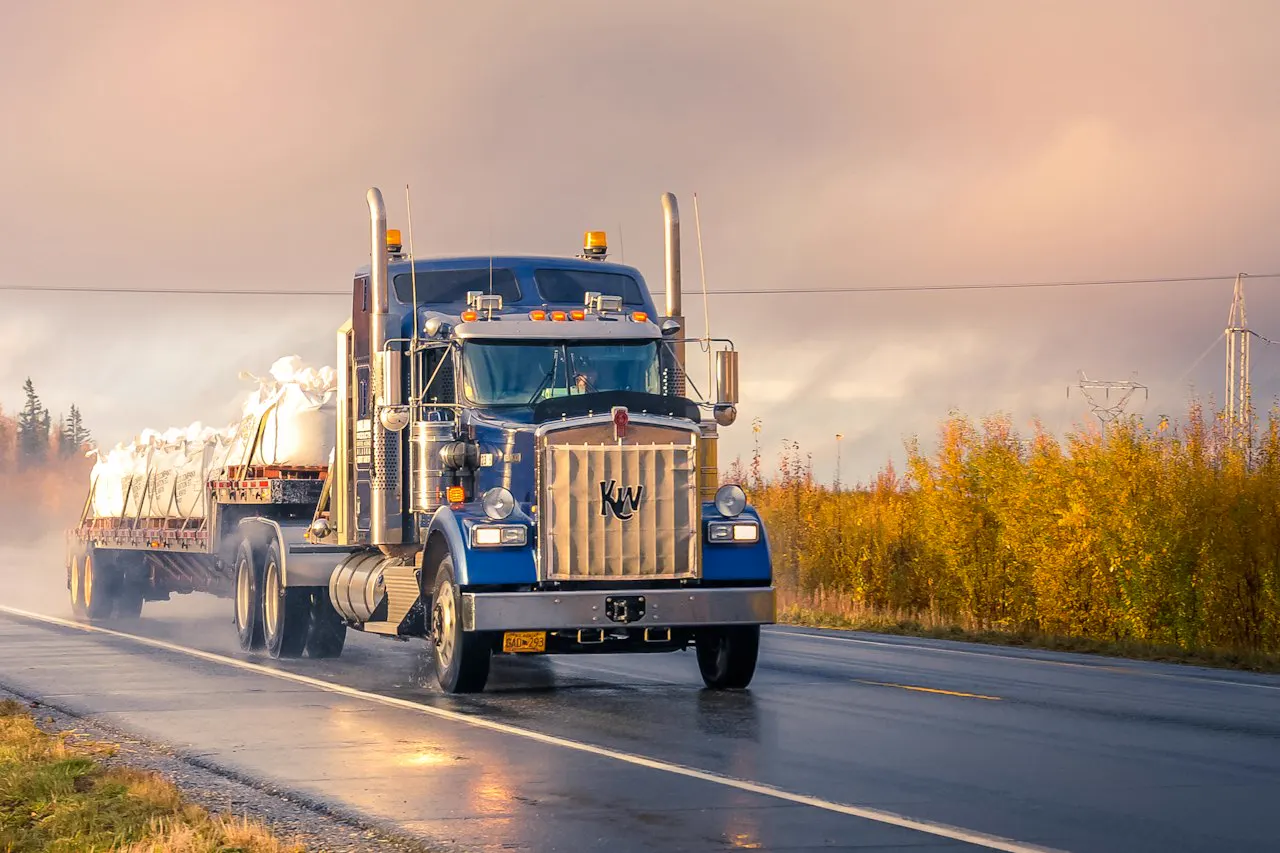
Fuel is usually one of a fleet's biggest costs, and also one of the hardest to control blind. The good news: it is almost always lost through a few causes, and they can be measured.
Where fuel goes
- Long idling: the engine on while the vehicle is not moving.
- Speeding and hard acceleration: they use more fuel and wear more.
- Inefficient routes: extra kilometers from poor planning or detours.
- Unauthorized use: trips outside hours or outside the work zone.
- Tank losses: fuel leaving that matches no trip.
What to measure
With a tracking device and, if possible, a fuel level sensor, you can see per unit: kilometers driven, idle time, average and top speed, and tank refills and drains.
How to turn it into savings
- Measure for two to four weeks without changing anything, to know your starting point.
- Set realistic goals per unit or per route, not one general goal for the whole fleet.
- Set up idling and speeding alerts.
- Talk to drivers with data: it is easier to agree improvements with a chart than with a suspicion.
- Compare again and adjust.
The fuel sensor depends on the vehicle and the installed device. If you do not have one, idling, speed and kilometers already give you a lot of information.
Want to apply this in your operation? Tell us what you need and we reply within one business day.
Let's talk about your operation →